Spice Blends
Custom spice blends and masalas manufactured to your formulation, with blend homogeneity, allergen control and labelling compliance treated as manufacturing requirements.
At a glance
- Manufactured to your formulation or developed with you
- Blend homogeneity verified by sampling
- Allergen control and declaration management
- Particle size matched across components to prevent segregation
- Private-label retail, food service and bulk packing
A blend is a manufactured product
A spice blend is not a mixture of spices; it is a manufactured food product with a formulation, a process specification, homogeneity requirements, allergen implications and a labelling obligation. Treating it as a mixture is how blends end up inconsistent between batches, segregated in the pack, incorrectly labelled or non-compliant in the destination market. VP Global Exim manufactures blends as a controlled process with the same discipline we apply to engineering production.
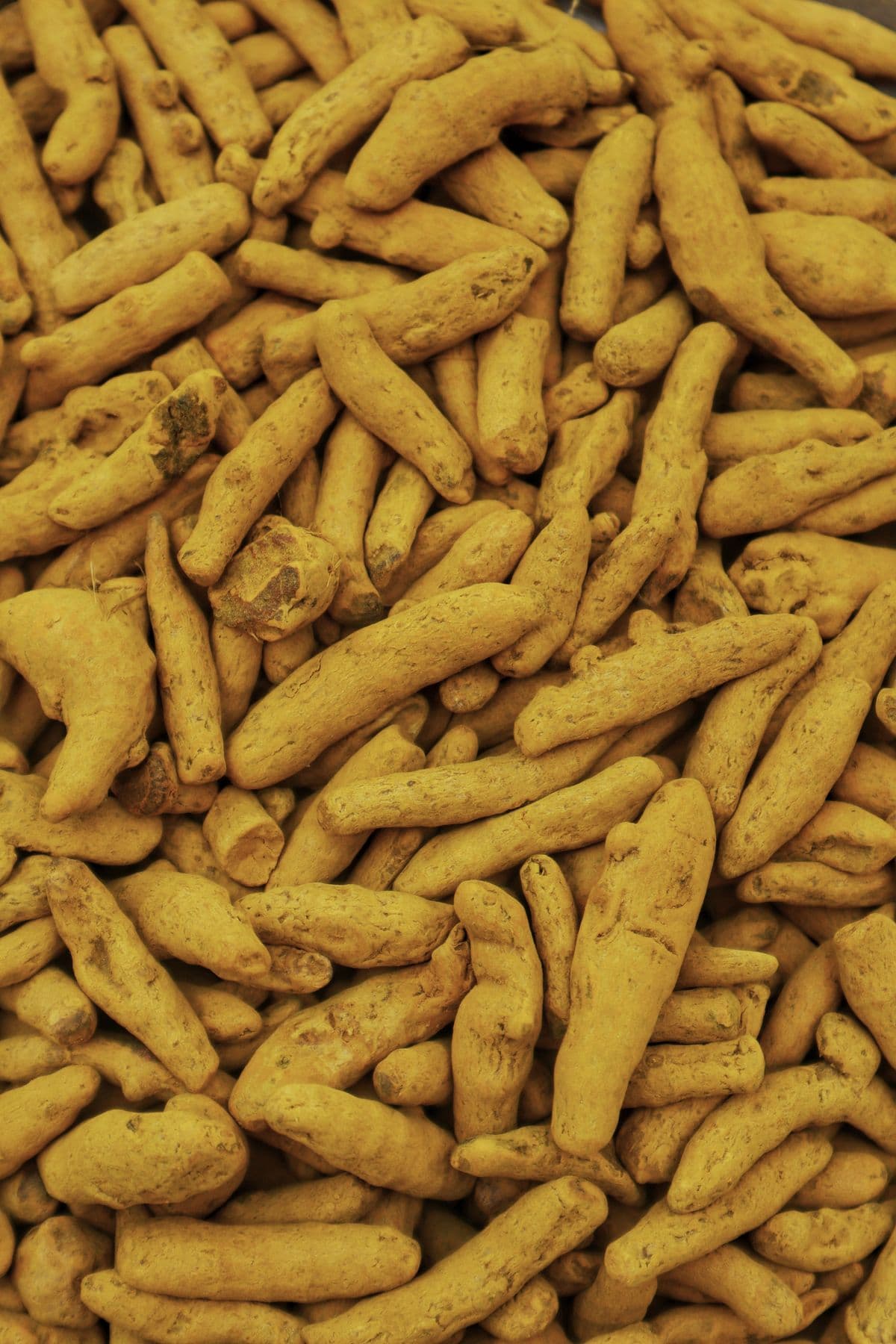
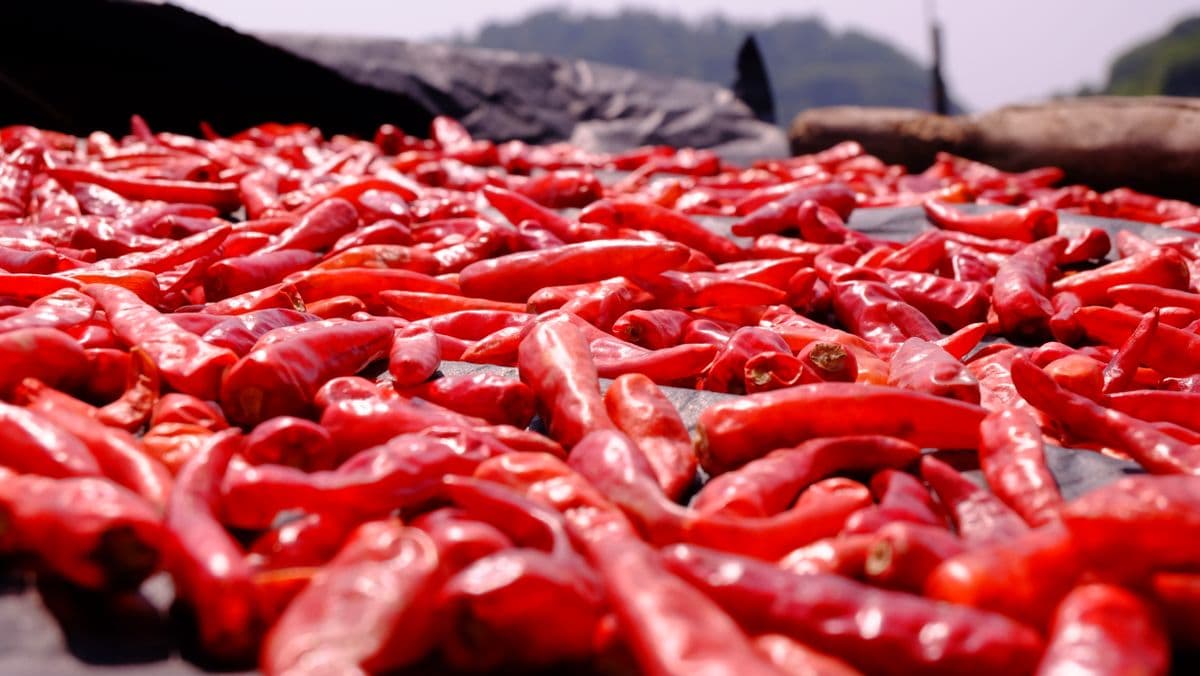
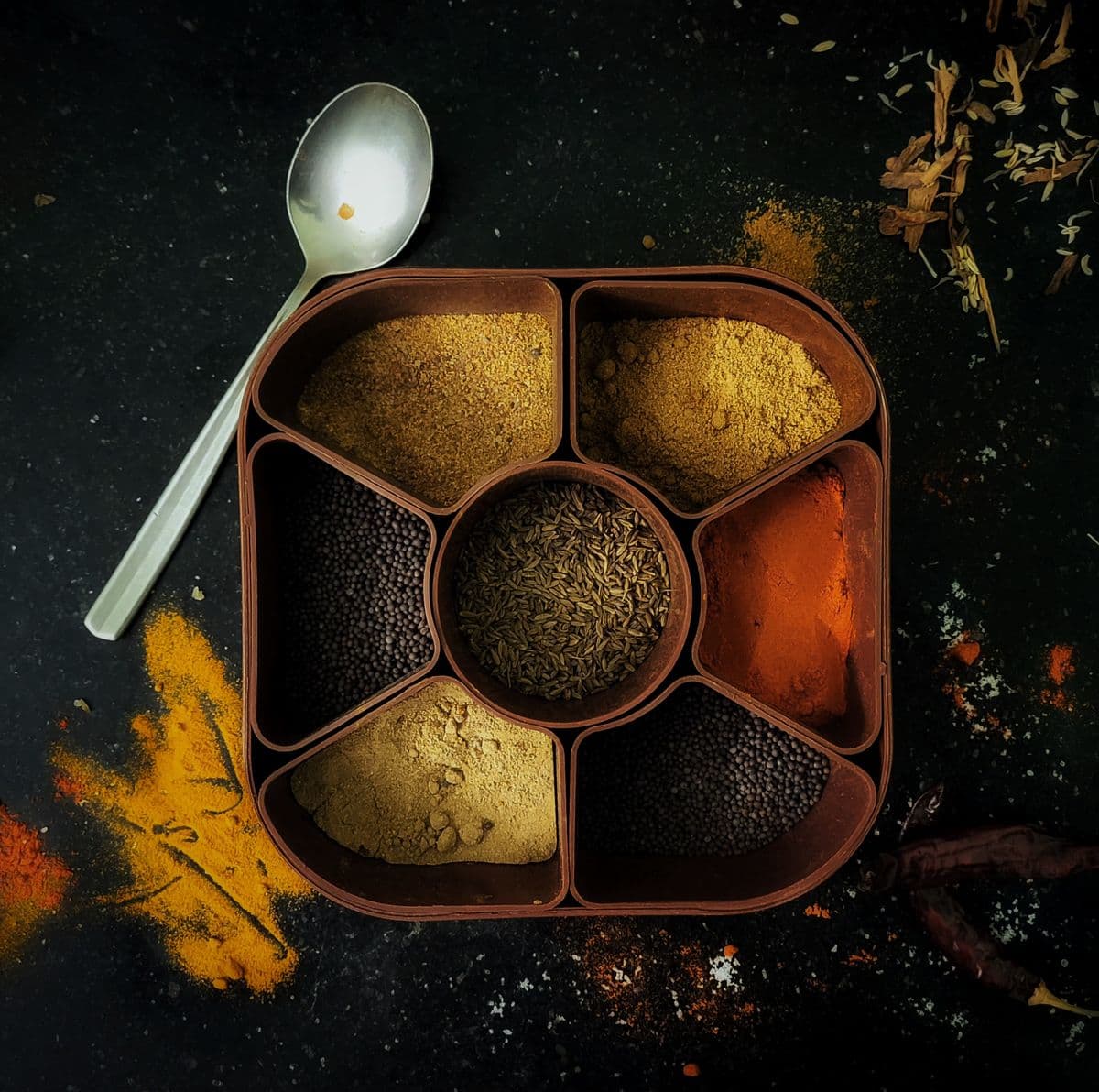
We manufacture and export the full range of blends: traditional Indian masalas including garam masala, curry powders, tandoori and tikka blends, biryani and pulao masalas, chaat and street-food seasonings, pickle masalas and regional specialities; international seasonings including barbecue, jerk, Cajun, Mediterranean and herb blends; functional blends including marinades, rubs and coating seasonings; and beverage and dessert blends including chai masala and spiced mixes.
Buyers are typically retail and private-label brands, food manufacturers using blends as ingredients, food service and quick-service restaurant operators, spice importers building blend ranges, and ethnic food distributors. Retail brands need consistency and compliant labelling; food manufacturers need specification consistency and allergen assurance; food service operators need consistency at scale and often specific functional properties.
Formulation, development and confidentiality
Two working models are supported. In the first, you supply the formulation and we manufacture to it precisely, raising written queries where an ingredient specification is ambiguous or a component is unavailable rather than substituting. In the second, you supply a target - a reference product, a flavour direction, a cuisine, a target cost or a nutritional constraint - and we develop the formulation with you through sampling and iteration.
Development runs through documented stages: an initial formulation based on the brief, laboratory samples for your assessment, revision against your written feedback, a pilot batch at production scale to confirm the formulation behaves the same way in bulk as in the laboratory, and a final approved specification with a retained reference sample. Blends frequently behave differently at scale because mixing and particle interaction change, so the pilot batch is not a formality.
Your formulation is confidential. Recipes, ingredient ratios, process parameters and commercial terms are not disclosed to other buyers, we sign non-disclosure agreements as standard, and formulations we develop at your cost belong to you. Where we develop a blend speculatively and offer it to several buyers, we say so explicitly, so you always know whether a formulation is exclusive to you or an open offer.
Cost engineering is offered transparently rather than by silent substitution. Where a target cost cannot be met with the formulation as specified, we identify which components drive the cost and propose specific changes with their flavour consequences stated honestly. What we will not do is quietly reduce an expensive component or substitute a cheaper one, because a blend that drifts from its approved specification is a defect regardless of whether anyone notices immediately.
Component sourcing and specification control
A blend's quality is bounded by its components, so each component carries its own specification. Whole and ground spices are specified by the same parameters we apply when selling them individually: purity, volatile oil or active content, moisture, ash values, microbial parameters and residue compliance. Salt, sugar, starches, flours, dehydrated vegetables, acidulants, anti-caking agents and any permitted additives are equally specified rather than bought generically.
Component consistency is what makes batch-to-batch blend consistency possible. A blend made with chilli at a different heat level, or turmeric at a different curcumin content, will taste and look different even if the ratios are identical. We therefore specify components tightly, hold approved samples, and test incoming components against specification rather than accepting them on a supplier's word.
Additive use is confirmed against the destination market's permissions before formulation, not afterwards. Anti-caking agents, flow agents, colours, flavour enhancers, preservatives and antioxidants are permitted at different levels or prohibited outright in different markets, and a formulation containing an additive that is not permitted at destination cannot be sold there. We check this at development, which is considerably cheaper than reformulating after a shipment is rejected.
Where a buyer requires clean-label, additive-free, organic or specific-origin components, we source accordingly and evidence it. Organic blends require every component to be certified and the process to be handled under certification, which is a supply chain requirement rather than a labelling choice, and we confirm feasibility before accepting an organic blend order.
Blending process, homogeneity and particle size
Blend homogeneity is the core manufacturing challenge. A blend that is not homogeneous delivers different composition in different parts of the batch and different parts of the pack, which means the consumer's experience varies and, more seriously, that a low-inclusion component may be absent from some packs and concentrated in others. Where that component is an allergen or a strongly flavoured ingredient, that is a genuine problem rather than a cosmetic one.
Homogeneity is achieved by correct mixer selection, correct fill level, correct mixing time and, critically, correct pre-mixing of low-inclusion components. A component included at a fraction of a percent cannot be dispersed reliably by adding it to a large mixer; it must be pre-mixed with a carrier and then added. We specify this in the process and we verify homogeneity by taking multiple samples across the batch and analysing for a marker component.
Particle size matching across components prevents segregation, which is the other main failure mode. When components differ substantially in particle size or density, vibration during transit and handling causes them to separate, so the top of the pack differs from the bottom. This is why a blend can leave the factory homogeneous and arrive segregated. We specify particle size ranges across components to limit the difference, and we verify segregation resistance by testing samples after simulated transit.
Batch records document every batch: components with their lot numbers, weighed quantities against the formulation, mixer, fill level and mixing time, operator, homogeneity sample results, and the finished batch identity. That record is what allows a problem to be investigated properly and what satisfies a food safety audit. It also allows a repeat batch to be manufactured identically rather than approximately.
Allergen control and cross-contamination
Allergen management is the most serious food safety obligation in blend manufacture, because a blend can contain many components and any of them may be an allergen or may carry allergen cross-contamination from its own supply chain. The regulated allergen lists differ between markets, so a component that requires declaration in one destination may not in another, and we work to the destination's list.
Control operates at three levels. At component level, each ingredient's allergen status is established from its supplier specification, including allergens present as ingredients and those present through cross-contamination in the supplier's facility. At process level, production scheduling, dedicated or cleaned equipment, and validated cleaning between products containing different allergens prevent carry-over. At labelling level, the declaration reflects what the product actually contains and what cross-contamination risk genuinely exists.
Cleaning validation matters because spice powders are difficult to clean out of equipment. Dry cleaning of mixers, conveyors and packing lines must be validated by swabbing and, where an allergen is involved, by allergen-specific testing rather than by visual inspection. We require validated cleaning between allergen-containing and allergen-free products, and where a facility cannot achieve it, we do not accept an allergen-free specification from that facility.
Precautionary allergen labelling is used honestly rather than defensively. A blanket may-contain statement covering every allergen is unhelpful to consumers and, in some markets, is discouraged or restricted. We base precautionary declarations on an actual risk assessment of the facility and the process, and we state clearly to buyers what the assessment concluded so they can make their own labelling decision on evidence.
Microbial safety, testing and shelf life
A blend's microbial status is determined by its components and its processing. Because the blend is not usually heat treated after mixing, sterilisation must happen at component level: sterilised components produce a sterilised blend, while a single untreated component can dominate the finished product's counts. We specify sterilisation at component level where the finished blend has a microbial specification, and we test the finished blend rather than relying on component certificates alone.
Finished-product testing typically covers total plate count, yeasts and moulds, coliforms, Escherichia coli, Salmonella and, where relevant to the market, Listeria and Bacillus cereus. Chemical testing covers moisture, salt content where relevant, and marker components for verification of formulation. Residue and heavy metal testing follows the destination market's requirements and is applied at component level with finished-product verification.
Shelf life is established rather than assumed. Blends containing salt, sugar, dehydrated vegetables or fat-containing components behave differently from pure spice blends, and moisture migration between components can cause caking or microbial growth even when each component is individually stable. We conduct or arrange shelf life studies where a buyer needs a substantiated date, rather than applying a default period that may not hold.
Caking and flow are practical quality attributes that determine whether a product works in use. A blend that cakes in the pack or fails to flow through a dispenser generates complaints regardless of its flavour. Water activity control, appropriate anti-caking agents where permitted, particle size management and barrier packaging all contribute, and we test flow and caking resistance under conditions representative of the destination climate.
Packing, labelling and market compliance
Packing formats span bulk for industrial use in lined bags and drums, food service packs in larger pouches and tubs, retail packs in printed pouches, jars, shakers, tins and sachets, and single-portion sachets for food service and promotional use. Barrier requirements are set by the blend's sensitivity: blends containing volatile-rich spices or hygroscopic components need better barriers than robust dry blends.
Labelling compliance is a technical exercise and we treat it as one. Requirements typically cover the product name, full ingredient list in descending order of weight, allergen declaration in the required format, net quantity, date marking, storage instructions, manufacturer or importer identification, country of origin, nutritional declaration where required, and language requirements. We prepare labelling against the destination's rules and have it checked before printing.
Nutritional declaration requires calculation or analysis, and for blends the calculation must be based on the actual formulation and reliable component data. Where a market requires a declaration, we prepare it from the formulation and verify key values by analysis, because a nutritional panel is a legal statement rather than an estimate. Claims of any kind, including nutritional and health claims, are only made where they are substantiated and permitted in the market.
Documentation supplied includes the certificate of analysis, ingredient and allergen specification, batch records where the buyer's system requires them, shelf life substantiation, labelling artwork approvals, and the export documentation set. For buyers with their own food safety systems, we provide the specification and supporting documentation in the format their system requires.
Starting a blend programme with us
Tell us what you are trying to make. That can be a formulation, a reference product you want matched, a flavour direction with a target cost, or a specification from your own product development team. Tell us the destination market, the pack format, the volumes, whether allergen-free status is required, and any clean-label, organic or additive constraints. Labelling and additive compliance depend on destination, so it has to be known at development rather than at shipment.
We will develop or cost the formulation, produce laboratory samples, iterate against your feedback, run a pilot batch at production scale, and confirm a final specification with a retained reference. From there, manufacturing runs against the approved specification with batch records, homogeneity verification and finished-product testing, so a repeat batch matches the approved standard rather than being remade from the recipe.
For first orders we recommend starting with a small number of blends rather than a full range, proving the consistency and the compliance, then extending. Blends are the category where documentation and process discipline matter most and where the consequences of getting allergen or labelling compliance wrong are the most serious, so building the programme deliberately is worth the extra weeks it takes.
Spice Blends specifications
| Blend types | Indian masalas, curry powders, tandoori and tikka, biryani, chaat and pickle masalas; international seasonings, rubs, marinades, coating seasonings and beverage blends |
|---|---|
| Working models | Manufacture to your formulation, or joint development from a reference product, flavour direction or target cost |
| Component control | Each component specified for purity, active or volatile content, moisture, ash, microbial and residue parameters with approved samples held |
| Homogeneity | Pre-mixing of low-inclusion components, specified mixer, fill level and mixing time, verified by multi-point sampling and marker analysis |
| Segregation control | Particle size ranges matched across components with segregation resistance tested after simulated transit |
| Allergen control | Component-level allergen status, validated cleaning verified by swab and allergen-specific testing, honest precautionary labelling |
| Microbial approach | Sterilisation applied at component level with finished-blend testing rather than reliance on component certificates |
| Shelf life | Established by study rather than default, with caking and flow tested under destination climate conditions |
| MOQ | From 500 kg per blend on established formulations; development blends assessed per formulation |
| Lead time | Development 4-8 weeks including pilot batch; production 25-40 days from approved specification |
Made to your requirements
- Formulation development from reference product or flavour brief
- Cost engineering with flavour consequences stated explicitly
- Clean-label, additive-free and organic formulations where the chain supports them
- Destination-compliant labelling and nutritional declaration
- Allergen-free manufacture with validated cleaning evidence
- Private-label packaging across retail and food service formats
Where our spice blends is used
Typical buyer profiles and end uses we supply into.
Spice Blends export questions
The questions buyers ask most often before placing a first order.
Will my formulation stay confidential?
Yes. Recipes, ingredient ratios, process parameters and commercial terms are not disclosed to other buyers, we sign non-disclosure agreements as standard, and formulations developed at your cost belong to you. Where we develop a blend speculatively and offer it to several buyers, we say so explicitly so you always know whether a formulation is exclusive to you.
Why is a pilot batch necessary?
Because blends frequently behave differently at scale. Mixing dynamics and particle interaction change between a laboratory sample and a production batch, which can alter homogeneity, flow, caking and even perceived flavour. A pilot batch at production scale confirms the formulation works in bulk before you commit to volume, and it is not a formality.
How do you ensure the blend is homogeneous?
Correct mixer selection, fill level and mixing time, and critically the pre-mixing of low-inclusion components with a carrier before addition, since a component at a fraction of a percent cannot be dispersed reliably by adding it straight to a large mixer. We then verify by taking multiple samples across the batch and analysing for a marker component rather than assuming.
Why does a blend sometimes segregate in the pack?
Because components differ in particle size or density, and vibration in transit separates them, so the top of the pack differs from the bottom. That is how a blend can leave the factory homogeneous and arrive segregated. We specify particle size ranges across components to limit the difference and verify segregation resistance by testing samples after simulated transit.
How is allergen risk controlled?
At three levels: component allergen status established from supplier specifications including cross-contamination risk, process controls with production scheduling and validated cleaning verified by swabbing and allergen-specific testing, and labelling that reflects what the product actually contains. Where a facility cannot achieve validated cleaning, we do not accept an allergen-free specification from it.
Can you meet a target cost?
Often, but transparently. We identify which components drive the cost and propose specific changes with their flavour consequences stated honestly. What we will not do is quietly reduce an expensive component or substitute a cheaper one, because a blend that drifts from its approved specification is a defect whether or not anyone notices in the first shipment.
Request a quote: Spice Blends
Send your specification, quantity and destination market. We confirm feasibility, quote with a lead time and propose a sampling plan so your first order is judged on an approved sample.
- Response within 24 hours
- Samples before bulk commitment
- Full export documentation handled
Enquire about Spice Blends
Pre-filled for this product - just add your details.