Cumin & Coriander
Machine-cleaned and sortex-graded cumin and coriander seed, whole or ground, specified by purity, volatile oil content and residue compliance for the destination market.
At a glance
- Machine-cleaned, single and double sortex grades
- Purity specified as a percentage with admixture limits
- Volatile oil content tested where flavour strength matters
- Steam sterilisation available for microbial reduction
- Residue screening against destination market limits
Two seeds, one supply chain
Cumin and coriander are the highest-volume seed spices India exports and they are usually bought together, since almost every buyer who needs one needs the other. They also share the same set of quality questions: how clean is it, how much extraneous matter and admixture does it contain, how strong is its flavour, what are its microbial counts and does it comply with the destination's residue limits. VP Global Exim supplies both against written specifications with lot-level analysis.
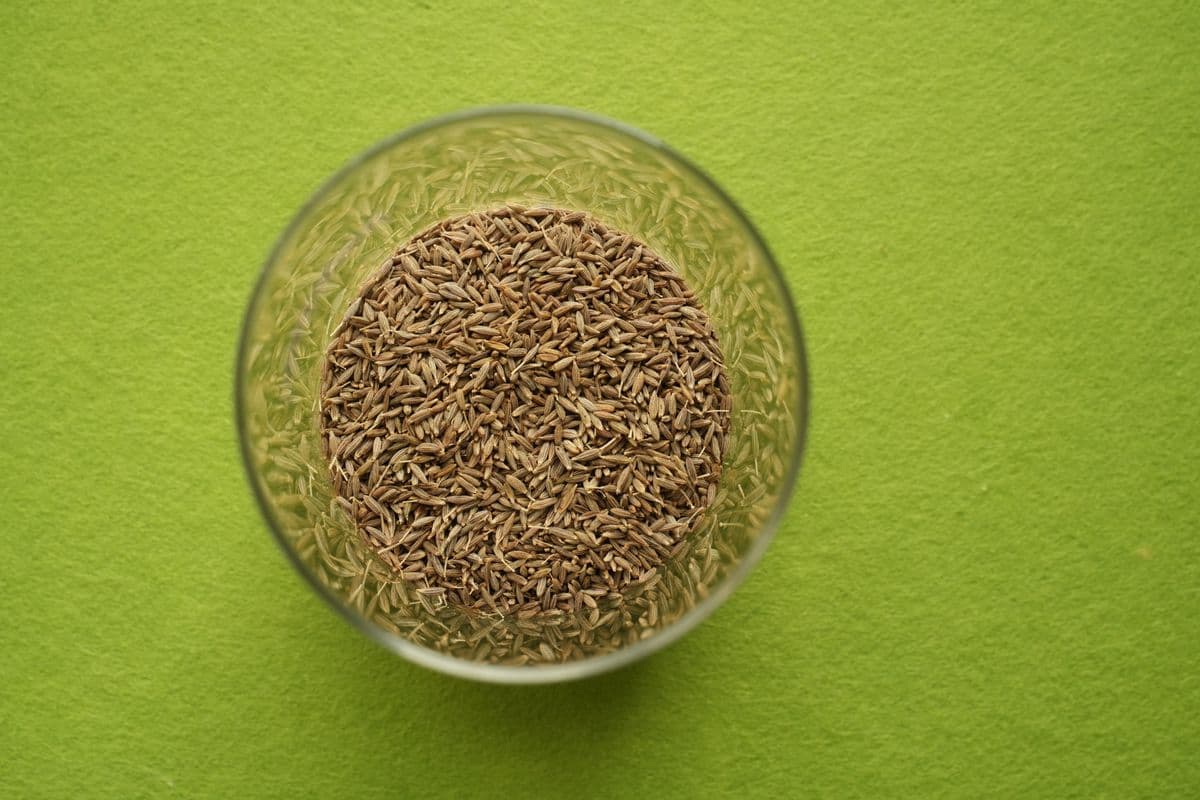
We supply cumin seed in machine-cleaned, single-sortex and double-sortex grades, and ground cumin at specified mesh. Coriander seed is supplied in the common commercial types differing in seed size and shape, in machine-cleaned and sortex grades, and as ground coriander. Both are available steam sterilised, and both can be supplied in bulk, in retail packs or in blended form as part of a masala formulation.
Buyers include spice importers and repackers, blenders and masala manufacturers, food manufacturers using the seeds as ingredients, essential oil and oleoresin extractors, retail and private-label brands, and food service buyers. Extraction buyers care most about volatile oil content, blenders care about purity and consistency, and retail packers care about appearance and cleanliness.
Purity grades and what they mean
Purity is the central specification for seed spices and it is expressed as a percentage: a 99 percent purity cumin contains at most one percent of material that is not cumin seed. That remaining fraction includes stalk and plant material, dust and fines, soil and stones, seeds of other species, and damaged or immature seed. Each purity step upward requires more cleaning and sorting, and the price reflects it.
Machine-cleaned grades are processed through air classification, gravity separation, destoning, sieving and magnetic separation. Single-sortex grades add one pass through optical colour sorting, which removes discoloured, damaged and foreign material that mechanical cleaning cannot. Double-sortex adds a second pass and achieves the highest commercial purity. We state the grade and the corresponding purity percentage rather than using grade names alone, since grade terminology varies between exporters.
Admixture with other seeds is the parameter buyers most often overlook and it matters both commercially and for allergen and labelling reasons. Cumin has historically been subject to adulteration incidents involving other plant material, including cases with allergen implications that caused significant recalls internationally. We specify admixture limits and test for foreign seed by microscopic and, where required, by DNA-based identification methods.
Physical parameters we specify alongside purity include moisture content, total ash and acid-insoluble ash which indicate mineral contamination, extraneous matter, insect-damaged and infested seed, mould-affected seed, and bulk density. For coriander, seed size distribution is specified where the buyer's application or market preference depends on it.
Volatile oil, flavour strength and freshness
Volatile oil content is what determines how strongly a seed spice tastes and smells, and it is the parameter that distinguishes fresh, well-handled seed from old stock. Cumin's characteristic aroma comes principally from cuminaldehyde and coriander's from linalool, and both decline with age, heat exposure and grinding. For any buyer whose product's flavour depends on the spice, volatile oil should be specified and tested.
We specify volatile oil as a minimum percentage determined by steam distillation, and we test the shipped lot. This is particularly important because visual appearance gives no indication of volatile oil content: old seed that has been well stored looks identical to fresh seed and tastes markedly weaker. A buyer relying on appearance is buying blind on the property that matters most to flavour.
Crop year and freshness are worth specifying explicitly. Seed spices are harvested annually and stocks carry over, so a lot can be current crop or one or more seasons old. Older stock is cheaper and weaker, and both facts are legitimate for some applications. What is not acceptable is old stock sold as current crop, so we state the crop year in the contract and on the documentation.
Grinding accelerates loss of volatile oil dramatically, since it exposes far more surface area. Ground cumin and coriander lose aroma within months rather than years, and heat generated during grinding compounds the loss. We specify temperature-controlled or cryogenic grinding where flavour retention matters, schedule grinding close to shipment, and advise buyers with slow turnover to buy whole seed and grind locally.
Cleaning, sorting and processing detail
The cleaning line for seed spices is a sequence and each stage does a specific job. Pre-cleaning removes coarse plant material and dust. Destoning removes stones and soil clods of similar size to the seed by density difference. Gravity separation removes light immature seed and heavy contaminants. Sieving grades by size and removes fines. Magnetic separation removes ferrous metal. Optical sortex sorting removes material that differs in colour, including discoloured seed, foreign seed and remaining foreign matter.
Metal detection is applied to ground product and, where the buyer requires it, to whole seed after packing. For food manufacturers with their own metal detection at intake, our detection is a first line rather than a substitute, but it catches contamination at the point where it can be traced and corrected rather than at their line.
Steam sterilisation is available and is the standard treatment for microbial reduction. Seed spices typically carry specifications for total plate count, yeasts and moulds, coliforms, Escherichia coli and Salmonella. Sterilisation is validated, the treated lot is tested, and post-treatment handling is controlled to prevent recontamination. Where a destination permits or requires alternative treatments, we confirm and specify accordingly.
Fumigation for insect control is standard practice where the destination permits it, and infestation control also depends on clean, treated storage and packaging that resists re-infestation. Seed spices are attractive to storage pests and a consignment that leaves clean can arrive infested if packaging and storage are inadequate. We specify both, and we supply fumigation certificates where required.
Residues, contaminants and testing scope
Pesticide residue compliance is the leading compliance risk in seed spices as in the rest of the category. Cumin in particular has been subject to enhanced import controls in some markets following residue findings. We establish the destination's applicable maximum residue limits before production, source accordingly, and test each lot against that market's own limit list rather than a generic screen.
Full testing scope is agreed before production and typically covers a broad multi-residue pesticide screen, heavy metals including lead, cadmium and arsenic, aflatoxins and ochratoxin A where the destination requires them, microbiological parameters, volatile oil content, purity and admixture, moisture and ash values, and foreign seed identification. For buyers with their own specification, we test to theirs.
Certificates of analysis state measured values for every agreed parameter on the shipped lot. Documentation includes the phytosanitary certificate, certificate of origin, commercial invoice and packing list, fumigation certificate, treatment certificate where sterilisation is applied, and market-specific health or export certificates. Where enhanced import controls apply, we confirm and arrange the additional testing and documentation before shipment.
Allergen and adulteration control deserves specific mention for cumin because of the industry's history. Incidents involving undeclared plant material with allergen implications led to substantial recalls and to lasting buyer caution. We treat foreign plant material testing as mandatory on cumin rather than optional, and where a buyer's own allergen control programme requires specific testing methods, we arrange them.
Coriander types and application differences
Coriander is supplied in commercially distinct types that differ in seed size, shape and oil content, and they are not interchangeable for all applications. Smaller, rounder seed types generally carry higher volatile oil content and are preferred where flavour strength matters or for extraction. Larger, more elongated types are often preferred for appearance in whole-seed retail packs and for certain culinary traditions.
Ground coriander behaves differently from ground cumin in processing because of its lower oil content and husk structure, and it tends to produce a bulkier, fluffier powder. Mesh specification and sieving are therefore important to get a consistent product, and buyers blending coriander with other spices need consistent particle size to avoid segregation in the blend.
For buyers producing masala blends, we can supply both seeds as components or supply the finished blend to the buyer's formulation. Blending has its own quality requirements: accurate weighing of components, adequate mixing to achieve homogeneity, verification of blend uniformity by sampling, and control of particle size across components so the blend does not separate in transit or in the pack. We treat a blend as a manufactured product rather than as a mixture of spices.
Packaging, shelf life and shipping
Whole seed is packed in new jute bags with liner or woven polypropylene bags with polyethylene liner, typically in 25 or 50 kilogram units. Ground product requires a better barrier and is packed in multi-layer paper bags with polyethylene liner, lined woven bags, or foil laminate where maximum volatile oil retention is needed. Retail and private-label packs are produced to specification, and vacuum or gas-flushed packing is available for premium retail ground product.
Realistic shelf life differs greatly between whole and ground product and we state it honestly. Whole seed properly stored retains acceptable volatile oil for a long period; ground product loses aroma within months. We quote remaining shelf life at arrival rather than at production, schedule production close to shipment, and recommend buying whole where turnover is slow.
Moisture and condensation protection in transit follows the same discipline as our other spice lines: maximum moisture verified before packing, container desiccants and liner protection on humid routes, and correct loading. Container hygiene is inspected before loading, since seed spices readily absorb odours from previous cargo.
Traceability is maintained to lot level, with each bag marked with product, grade, purity, crop year, lot number, net weight, packing date and origin, linked to the certificate of analysis. For food products in regulated markets this is a legal requirement at import rather than a service, and we maintain it as standard.
Ordering cumin and coriander through us
Tell us the products and forms, the purity grade required, the minimum volatile oil content if flavour strength matters, the crop year requirement, your destination's residue and microbial limits, whether sterilisation is needed and which method is permitted, packaging format, quantity and destination. Where you have your own specification document, send it and we will quote directly against it.
We will confirm what is achievable and price it honestly. Higher purity grades, tighter residue limits, validated sterilisation, current-crop-only supply and high volatile oil content each narrow availability and raise price. Where a target price implies a lower specification, we say which parameter would have to move rather than accepting the order and hoping.
For first orders we recommend pre-shipment sample analysis against the full specification and, on cumin especially, foreign plant material testing. Given the industry's history with cumin adulteration, establishing that the lot is what it claims to be before it ships is a reasonable precaution rather than an excess of caution.
Cumin & Coriander specifications
| Products | Cumin seed and ground cumin; coriander seed in commercial types and ground coriander |
|---|---|
| Purity grades | Machine cleaned, single sortex and double sortex with purity stated as a percentage |
| Volatile oil | Minimum percentage specified and determined by steam distillation on the shipped lot |
| Crop year | Stated in contract and on documentation; current crop specified where required |
| Physical parameters | Moisture, total and acid-insoluble ash, extraneous matter, admixture, insect damage, mould, bulk density, seed size distribution |
| Cleaning line | Pre-cleaning, destoning, gravity separation, sieving, magnetic separation, single or double optical sortex |
| Foreign seed testing | Microscopic examination and DNA-based identification where required; mandatory on cumin |
| Sterilisation | Validated steam sterilisation with treated lot testing and controlled post-treatment handling |
| MOQ | From 1 MT per specification; container-load quantities standard |
| Lead time | 20-35 days subject to crop availability, sterilisation and laboratory turnaround |
Made to your requirements
- Purity grade and cleaning specification to your requirement
- Minimum volatile oil content specified and verified
- Current-crop-only supply where freshness matters
- Masala blends manufactured to your formulation with homogeneity verification
- Temperature-controlled grinding with specified mesh
- Foreign plant material and allergen testing programmes
Where our cumin & coriander is used
Typical buyer profiles and end uses we supply into.
Cumin & Coriander export questions
The questions buyers ask most often before placing a first order.
What does 99 percent purity actually mean?
That at most one percent of the lot is material other than the spice seed, comprising stalk and plant material, dust and fines, soil and stones, other species' seeds and damaged or immature seed. Each purity step upward needs more cleaning and sorting and costs more. We state the grade and its purity percentage rather than relying on grade names, which vary between exporters.
Why should I specify volatile oil content?
Because it determines how strongly the spice tastes and smells, and appearance gives no indication of it. Old seed that has been well stored looks identical to fresh seed and tastes markedly weaker. If your product's flavour depends on the spice, specify a minimum volatile oil percentage determined by steam distillation and have the shipped lot tested, otherwise you are buying blind on the property that matters most.
Does crop year matter?
Yes. Seed spices are harvested annually and stocks carry over, so a lot may be current crop or several seasons old. Older stock is cheaper and weaker, and that is legitimate for some applications. What is not acceptable is old stock sold as current crop, so we state crop year in the contract and on the documentation.
Why is foreign plant material testing mandatory on cumin?
Because of the industry's history. Adulteration incidents involving undeclared plant material with allergen implications caused substantial international recalls and lasting buyer caution. We treat foreign plant material testing on cumin as mandatory rather than optional, using microscopic examination and DNA-based identification where required.
Should I buy whole seed or ground?
Whole, if your turnover is slow. Grinding exposes far more surface area and ground cumin and coriander lose aroma within months rather than years, with grinding heat compounding the loss. We specify temperature-controlled grinding where flavour retention matters and schedule grinding close to shipment, but for slow-moving stock buying whole and grinding locally gives a better product.
Can you supply finished masala blends?
Yes, manufactured to your formulation. We treat a blend as a manufactured product rather than a mixture: accurate component weighing, adequate mixing for homogeneity, blend uniformity verified by sampling, and particle size controlled across components so the blend does not segregate in transit or in the pack.
Request a quote: Cumin & Coriander
Send your specification, quantity and destination market. We confirm feasibility, quote with a lead time and propose a sampling plan so your first order is judged on an approved sample.
- Response within 24 hours
- Samples before bulk commitment
- Full export documentation handled
Enquire about Cumin & Coriander
Pre-filled for this product - just add your details.